
All products · 16 of 1440
Electronics, sensors, robotics kits, PC components, peripherals — everything Unik Systems carries, in one place.
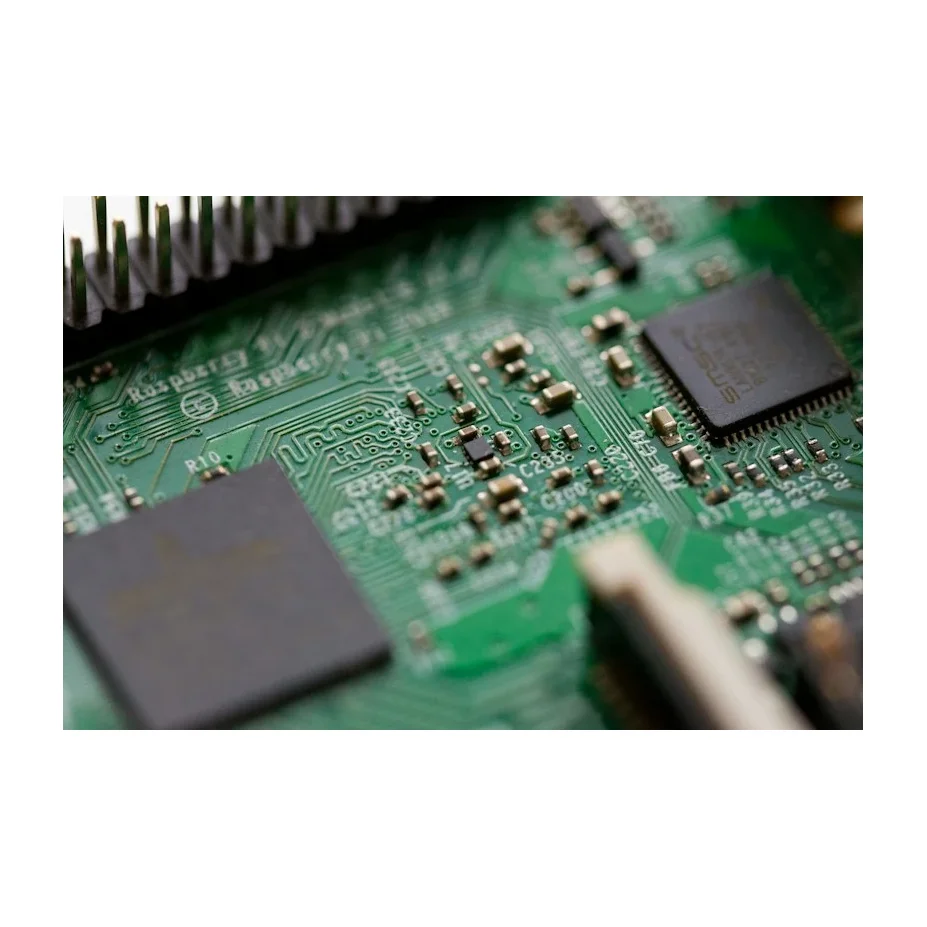
Arduino Plug & Play
Controller: Arduino UNO/Nano compatible (ATmega328P), 5V logic. Interfaces: Digital I/O, PWM, Analog In, I2C/SPI/UART. USB programming. Plug-and-play sensor ports (JST/RJ/3-pin). Power: USB 5V / DC 7–12V (if UNO).
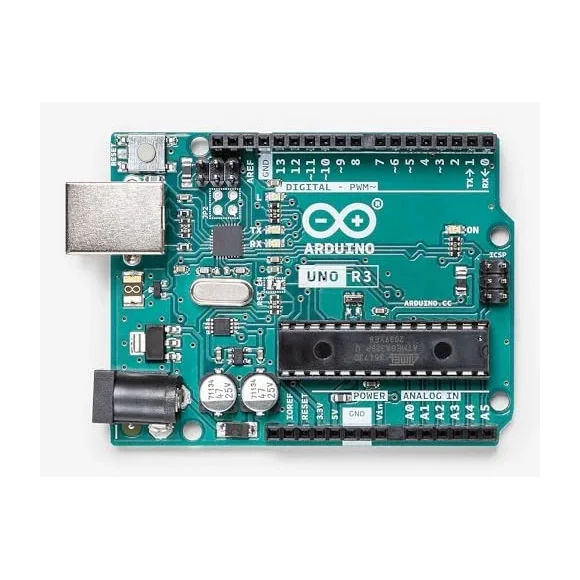
Arduino UNO
Hardware development board (SMD/DIP). ATmega328P, 14 digital I/O, 6 analog, USB-B.
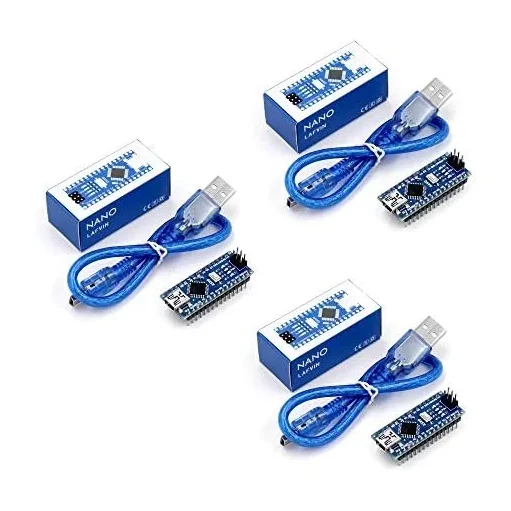
Arduino Nano
Compact development board. ATmega328P, mini-USB. Breadboard friendly.
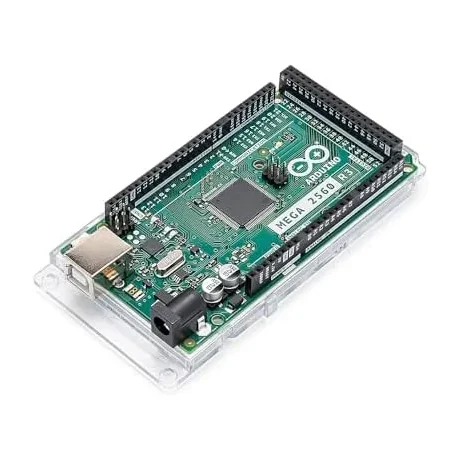
Arduino Mega
Development board. ATmega2560, 54 digital I/O, 16 analog, perfect for big projects.
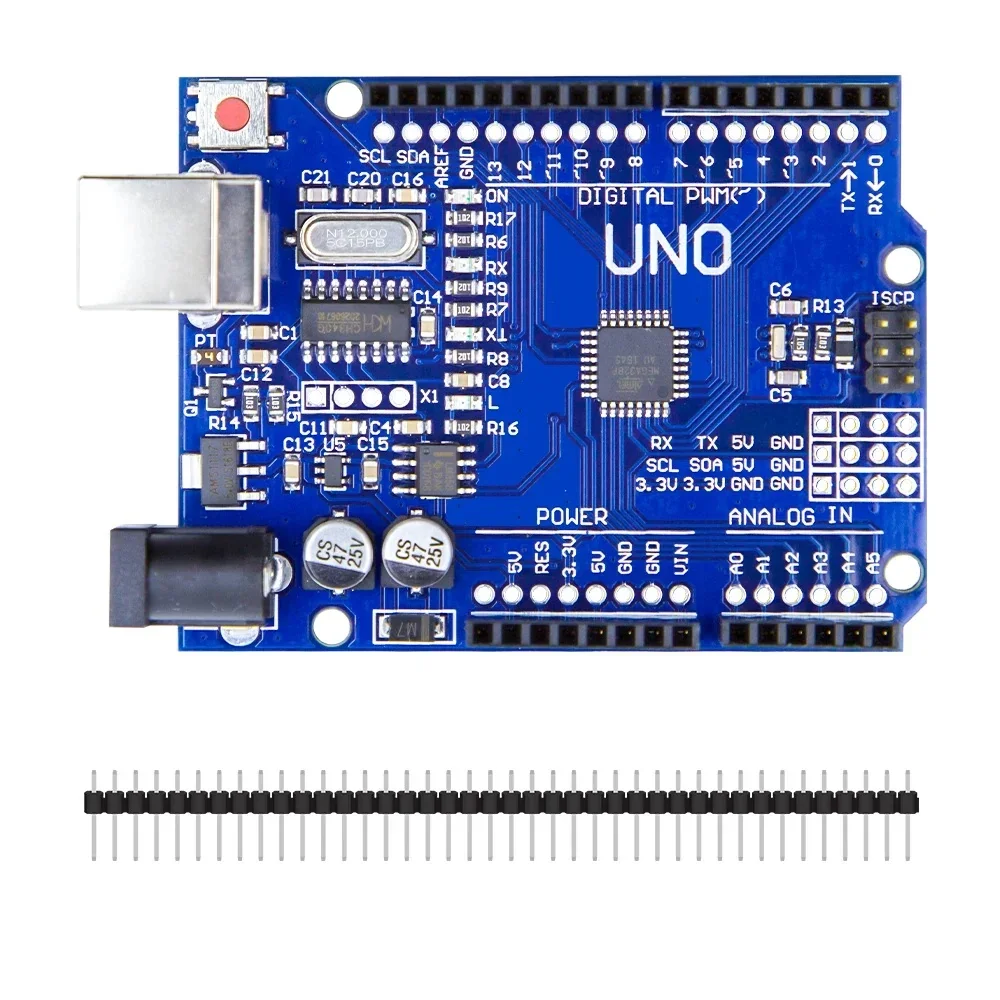
Arduino Uno R3 CH340G ATMega328P Development Board Compatible with Arduino
[Arduino Boards, Development Board] Product Description The Uno R3 CH340G ATmega328p Development Board is the low-cost version of the popular Uno R3 Arduino. It is assembled with the CH340 USB to Serial converter chip, instead of using an Atmega16U2 chip. We have used plenty of these low-cost Arduino boards with CH340 chips, and have found them to work perfectly. The only time the CH340 chip is used is during programming and when using the serial output of the USB port. During normal operation, this board is identical to the more expensive version without CH340 chip. Features The Arduino Uno R3 is a micro-controller board base on the ATmega328 . It has 14 digital input/output pins (of which 6 can be used as PWM outputs); 6 analog inputs, a 16 MHz ceramic resonator, a USB connection, a power jack, an ICSP header, and a reset button. It contains everything need to support the micro-controller; simply connect it to a computer with a USB cable or power it with a AC-to-DC adapter or battery to get start. The Arduino Uno R3 differs from all preceding boards in that it does not use the FTDI USB-to-serial driver chip. Instead, it features the Atmega16U2 (Atmega8U2 up to version R2) program as a USB-to-serial converter. Revision 2 of the Uno board has a resistor pulling the 8U2 HWB line to ground, making it easier to put into DFU mode. Note: The Arduino Uno R3 reference design can use an Atmega8, 168, or 328, Current models use an ATmega328, but an Atmega8 is shown in the schematic for reference. The pin configuration is identical on all three processors. Package Includes 1 x Arduino Uno R3 CH340G ATMega328P Development Board
 Out of stock
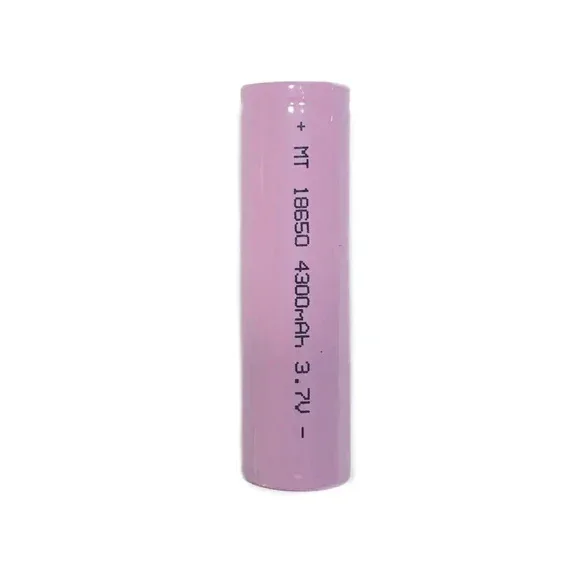
3.7V 18650 4300 mAh Lithium ion battery for toys , electronics , megaphone
[Lithium Battery Cell] Uses : megaphone , toys , electronics , trimmers , flashlights, laptops, electronics and even some electric cars , power banks , trolley speakers , bluetooth speakers , torch
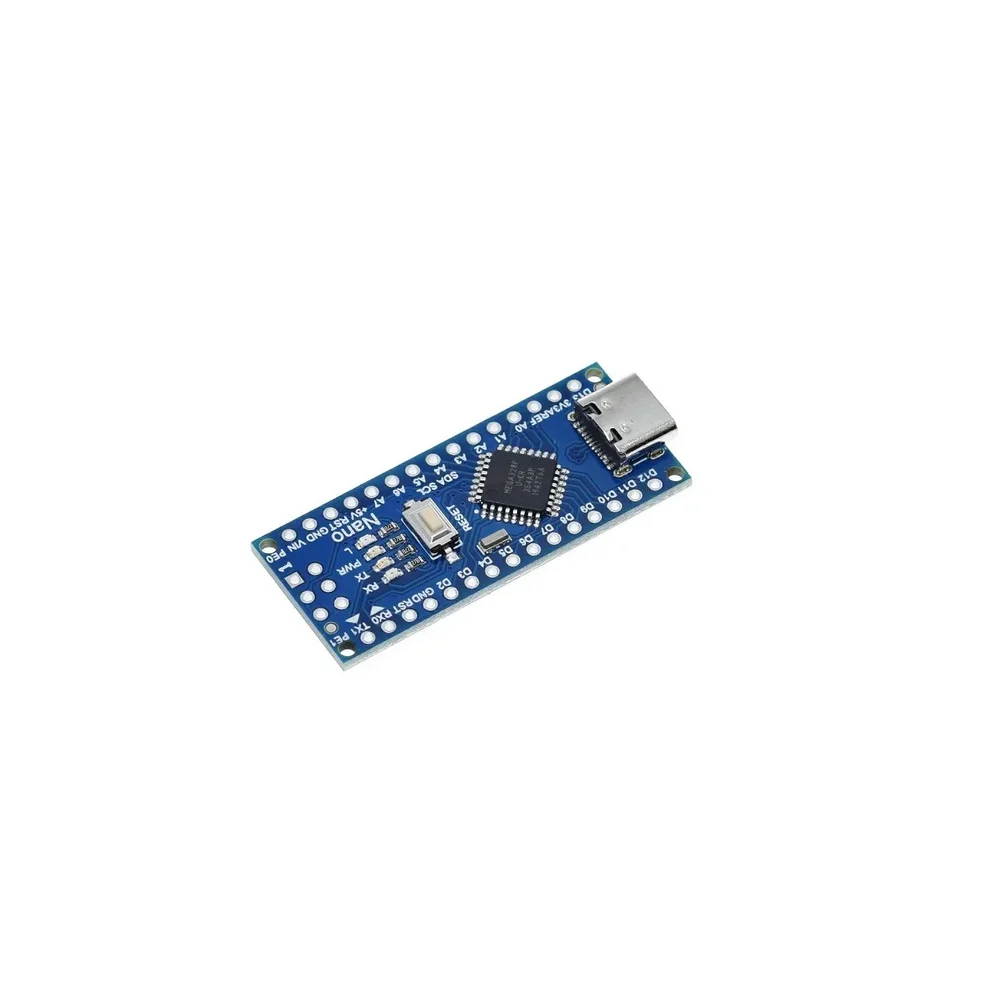
Unsoldered Nano V3.0 ATmega328P 5V 16MHz CH340 Type-C
[Arduino Boards] This Arduino-compatible Nano V3.0 micro-controller is a small, complete, micro-controller board based on the ATmega328 MCU. It has more or less the same functionality as the Arduino Duemilanove, but in a smaller package. It lacks only a DC power jack, and uses the more compact Mini USB (Mini-B) connector instead of a standard USB connector. It is compatible with Arduino programs and the Arduino IDE. This version of the Nano uses the CH340G USB interface controller. It can be powered via the Mini-B USB connection, a 6-20V unregulated external power supply (pin 30), or 5V regulated external power supply (pin 27). The power source is automatically selected to the highest voltage source. Features: CH340G USB bus converter chip replaces FT232RL Operating Voltage(logic level): 5V 8 analog inputs ports: A0 – A7 14 Digital input / output ports: TX, RX, D2 – D13 6 PWM ports: D3, D5, D6, D9, D10, D11 1 pair of TTL level serial transceiver ports: RX / TX Uses Atmel Atmega328P-AU MCU with bootloader installed Support USB download and Power over Mini-B Mini USB connector Recommended input voltage: 7V – 12V DC on pin 30 or 5V on pin 27 Maximum input voltage limits: 6V – 20V Supports ISP download Supplied with connector pins (headers), not soldered to the board for user flexibility Package Includes: 1 X Nano V3.0 16MHz CH340
 Out of stock
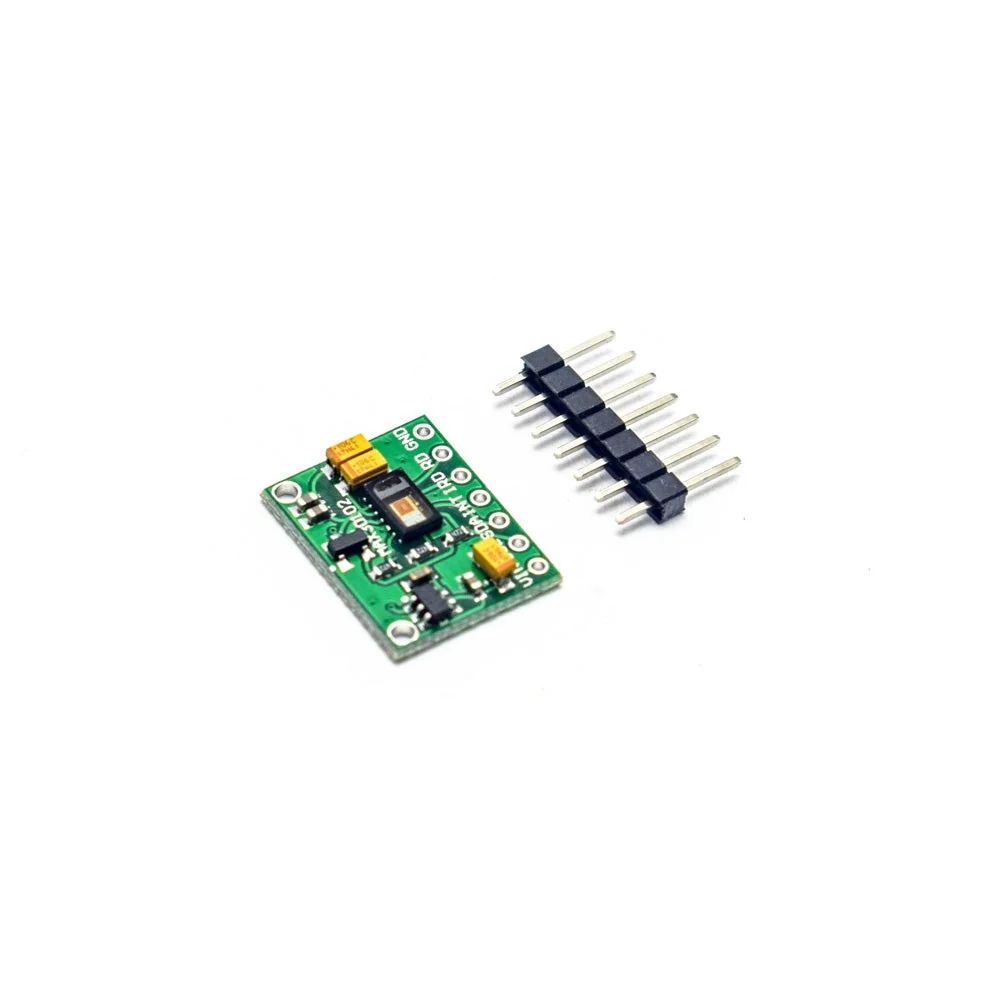
MAX30102 Pulse Oximeter Heart Rate Sensor Module
[Proximity Sensor] MAX30102 is a sensor that combines a pulse oximeter and a heart rate monitor. It’s an optical sensor that measures the absorbance of pulsating blood through a photodetector after emitting two wavelengths of light from two LEDs – a red and an infrared one. This particular LED colour combination is designed to allow data to be read with the tip of one’s finger. It is fully configurable through software registers and the digital output data is stored in a 16-deep FIFO within the device. It has an I2C digital interface to communicate with a host microcontroller. The pulse oximetry subsystem in MAX30102 consists of ambient light cancellation (ALC), 16-bit sigma-delta ADC, and a proprietary discrete-time filter. It has an ultra-low-power operation which makes it ideal for battery-operated systems. MAX30100 operates on a supply in the range of 1.8 to 3.3V. It can be used in wearable devices, fitness assistant devices, medical monitoring devices, etc. This sensor works on 3.3V Devices directly. You can connect it to 3.3V devices like ESP8266, ESP32, etc. directly. To use it with the Arduino UNO, Mega, Nano, etc. use a level shifter in between. Else I2C connection will not work. Features Heart-Rate Monitor and Pulse Oximeter Sensor in LED Reflective Solution Tiny 5.6mm x 3.3mm x 1.55mm 14-Pin Optical Module Integrated Cover Glass for Optimal, Robust Performance Ultra-Low Power Operation for Mobile Devices Programmable Sample Rate and LED Current for Power Savings Low-Power Heart-Rate Monitor (< 1mW) Ultra-Low Shutdown Current (0.7µA) Fast Data Output Capability High Sample Rates Robust Motion Artifact Resilience High SNR -40°C to +85°C Operating Temperature Range
 Out of stock
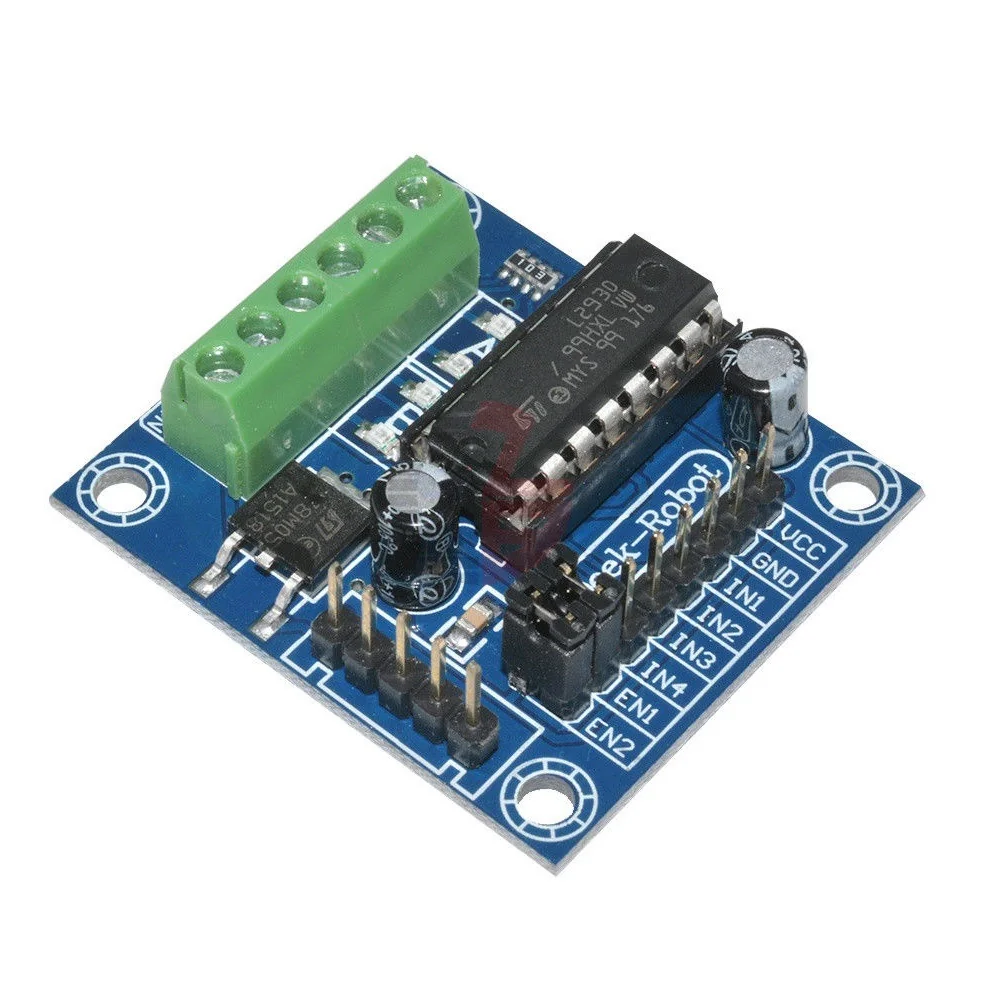
Mini Motor Drive Shield Expansion Board L293D Module for Arduino UNO MEGA 2560
[Brushed DC motor Driver] Mini Motor Drive Shield Expansion Board L293D Module for Arduino UNO MEGA 2560 is a Device is a monolithic integrated high voltage, high current four channel driver designed to accept standard DTL or TTL logic levels and drive inductive loads (such as relays solenoids, DC and stepping motors) and switching power transistors. To simplify use as two bridges each pair of channels is equipped with an enable input. A separate supply input is provided for the logic, allowing operation at a lower voltage and internal clamp diodes are included. This device is suitable for use in switching applications at frequencies up to 5 kHz. Features: Enable facility. Overtemperature protection. Logical “0” input voltage up to 1.5V(High noise immunity). Internal clamp diodes. Package Includes: 1 x Mini Motor Drive Shield Expansion Board L293D Module.
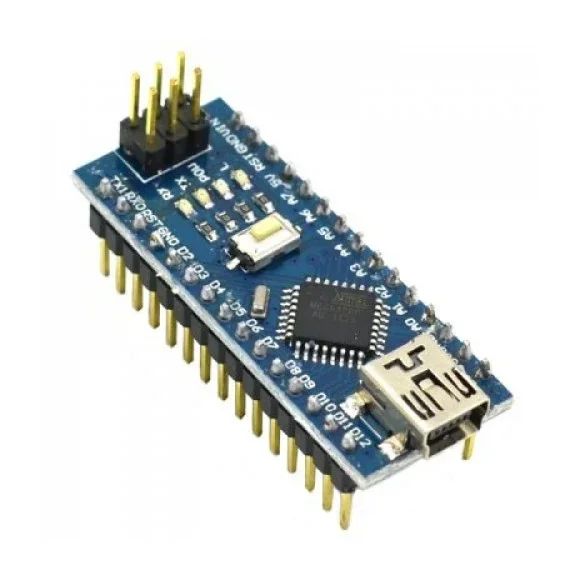
Nano CH340 Chip Board without USB cable compatible with Arduino (Soldered)
[Arduino Boards] 🔷 Nano V3 CH340 ATmega328P Development Board (Soldered Headers) Compatible with Arduino ATmega328P • CH340 USB Interface • Compact Design • Breadboard Friendly • Ready to Use The Nano V3 CH340 Development Board is a compact and powerful microcontroller board based on the ATmega328P-AU microcontroller. Fully compatible with the Arduino Nano platform, it offers the same functionality as the Arduino Uno in a much smaller, breadboard-friendly form factor, making it ideal for embedded systems, robotics, IoT, automation, and DIY electronics projects. This version features the CH340 USB-to-Serial converter, providing a cost-effective and reliable programming interface. The board comes with pre-soldered headers, allowing it to be plugged directly into a breadboard or PCB without additional soldering. Powered by the ATmega328P running at 16MHz, the Nano provides 14 digital I/O pins, 8 analog input pins, 6 PWM outputs, and supports communication protocols including UART, SPI, and I²C. The onboard bootloader allows programming directly through the Mini USB port using the Arduino IDE. The Nano can be powered through the Mini USB connector, an external 6–20V DC supply, or a regulated 5V input, with automatic power source selection for seamless operation. Note: Some computers may require the CH340 USB driver before the board is recognized. ⭐ Features Based on ATmega328P-AU microcontroller Compatible with Arduino Nano V3 CH340 USB-to-Serial interface Pre-installed Arduino bootloader Pre-soldered header pins Compact breadboard-friendly design 14 Digital I/O pins (6 PWM) 8 Analog input pins 16MHz crystal oscillator Mini USB interface for programming Automatic power source selection Manual reset button ICSP header for direct programming TX, RX, Power and L status LEDs Supports Arduino IDE 📋 Technical Specifications Product Type: Microcontroller Development Board Board Version: Nano V3 Microcontroller: ATmega328P-AU USB Interface: CH340G Operating Voltage: 5V Input Voltage (Recommended): 7V–12V DC Input Voltage Range: 6V–20V DC Digital I/O Pins: 14 PWM Channels: 6 Analog Input Pins: 8 Flash Memory: 32KB SRAM: 2KB EEPROM: 1KB Clock Speed: 16MHz USB Connector: Mini USB Communication Interfaces: UART, SPI, I²C Programming: Arduino IDE Bootloader: Pre-installed Board Dimensions: 43 × 18 mm Mounting: Breadboard Compatible 🔧 Applications Suitable for: Arduino Projects Robotics IoT Devices Home Automation Sensor Interfaces Embedded Systems Educational Projects Industrial Automation Data Logging LED Control Motor Control Smart Home Devices Wearable Electronics DIY Electronics Rapid Prototyping 📦 Package Includes 1 × Nano V3 CH340 ATmega328P Development Board (Soldered Headers) USB Cable Not Included ⚠️ Note Mini USB cable is not included. Some Windows computers may require the CH340 USB driver before programming the board. Compatible with the Arduino IDE after selecting Arduino Nano and the appropriate processor/bootloader settings. Product appearance, PCB color, and component layout may vary slightly depending on the manufacturing batch.
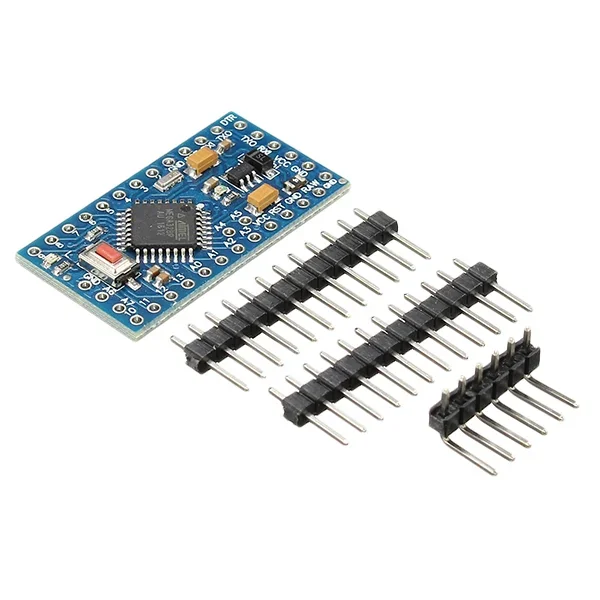
Pro Mini ATMEGA328P 3.3V/8M
[Arduino Boards] This is Pro Mini ATMEGA328P 3.3V/8MHz is a 3.3V Arduino running the 8MHz bootloader. Pro Mini ATMEGA328P come with connectors so that you can solder connector or wire with any orientation you need. It’s a great board that will get you up and running quickly. The Arduino Pro series is meant for users that understand the limitations of system voltage (3.3V), lack of connectors, and USB off board. The Pro Mini is a microcontroller board base on the ATmega328. It has 14 digital input/output pins (of which 6 can be used as PWM outputs), 6 analog inputs, an on-board resonator, a reset button, and holes for mounting pin headers. A six pin header can be connected to an FTDI cable to provide USB power and communication to the board. The Pro Mini is intended for semi-permanent installation in objects or exhibitions. The board comes with headers, allowing the use of various types of connectors or direct soldering of wires. The pin layout is compatible with the Mini Arduino. Features : 8 analog input port: A0 ~ A7. A pair of TTL level serial port transceiver : RX / TX. 6 PWM port: D3, D5, D6, D9, D10, D11. Use For Atmel Atmega328P-AU microcontroller. Support serial download. Support 9V battery. Package Includes : 1 x Pro Mini ATMEGA328P 3.3V/8M (Official Version) 3 x Male Header connector.
 Out of stock
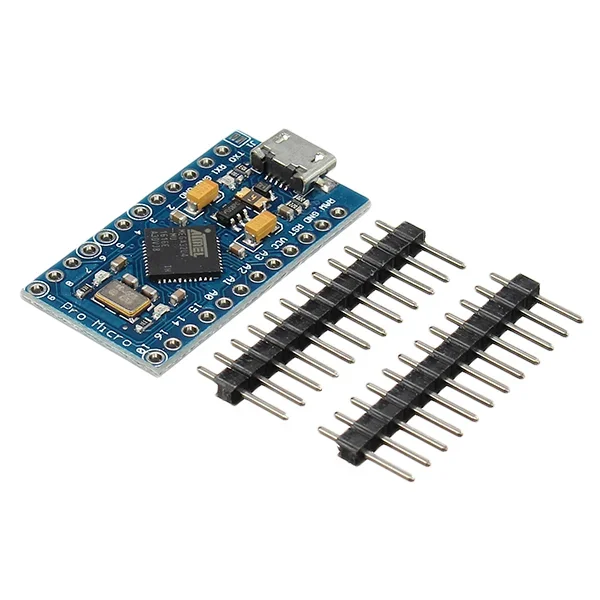
Pro Micro 5V 16M Mini Leonardo Microcontroller Development Board For Arduino
[Arduino Boards] This Pro Micro 5V 16M Mini Leonardo Microcontroller Development Board For Arduino development board has 4 channel 10 bit ADC, 5 PWM pins, 12 DIO, and a hardware serial connection Rx and Tx you are familiar with Running on 16MHz and 5V, this board will remind you a lot of other Arduino compatible boards that you like. There is a voltage regulator on board, so it can accept up to 12V DC. The Micro is a microcontroller board based on the ATmega32U4. It has 20 digital input/output pins (of which 7 can be used as PWM outputs and 12 as analog inputs), a 16 MHz crystal oscillator, a micro USB connection, an ICSP header, and a reset button. It contains everything needed to support the microcontroller; simply connect it to a computer with a micro USB cable to get started. It has a form factor that enables it to be easily placed on a breadboard. The Micro board is similar to the Arduino Leonardo in that the ATmega32U4 has built-in USB communication, eliminating the need for a secondary processor. This allows the Micro to appear to a connected computer as a mouse and keyboard, in addition to a virtual (CDC) serial / COM port. If you supply an unstable power supply board, be sure to connect to the “RAW”, not on the VCC pin. It has also added a PTC fuse and diode protection to the power circuit and to correct the RX and LED TX circuits. Features : ATMEGA32U4 running in 5V / 16MHz Support Arduino IDE V1.0.1 Micro USB interface programming on the board Four 10-bit ADC pin 12 digital I / O (5 PWM capability) Rx and Tx hardware serial connection. Pin Diagram: Package Includes : 1 x Pro Micro 5V 16M Mini Leonardo Microcontroller Development Board For Arduino
 Out of stock
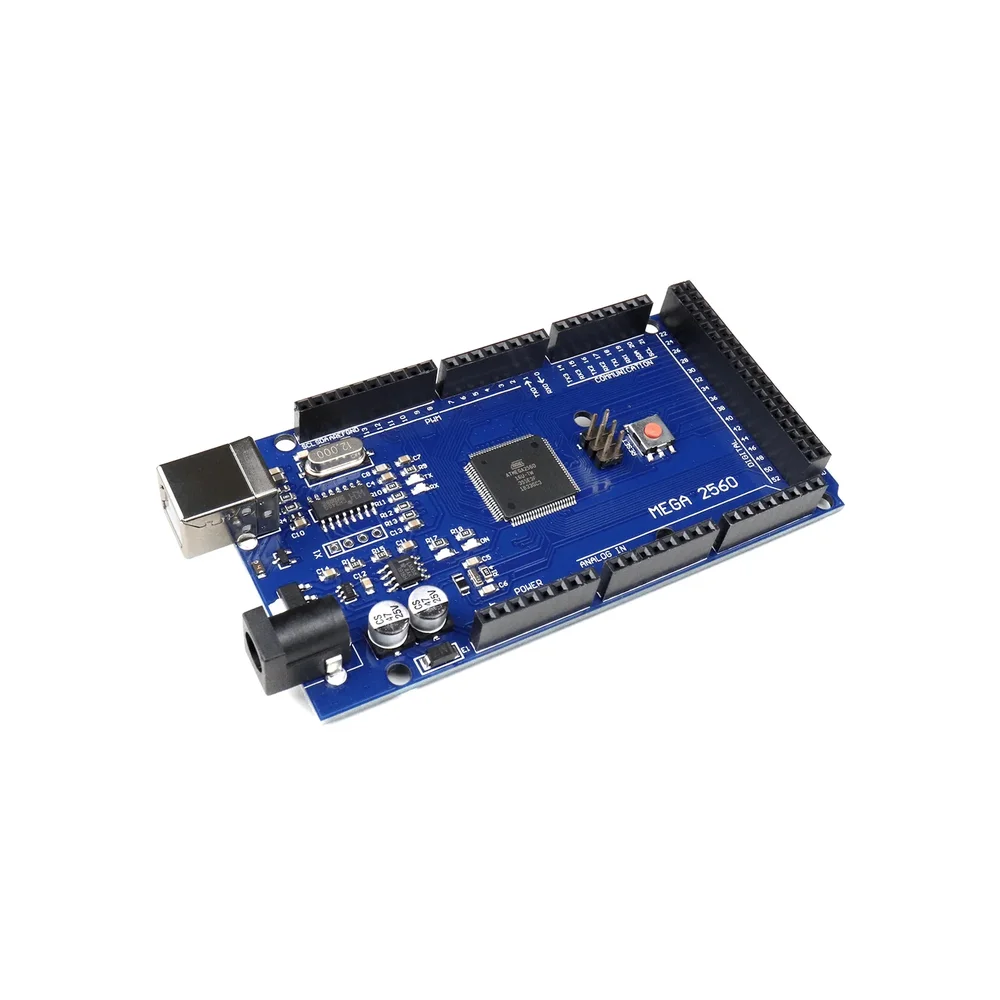
ATmel MCU ATMEGA16U2 MEGA 2560 R3 Improved Version CH340G Board
[Arduino Boards] The ATmel MCU ATMEGA16U2 MEGA 2560 R3 Improved Version CH340G Board is a micro-controller board base on the ATmega2560. It has a USB host interface to connect with Android based phones, base on the MAX3421e IC. It has 54 digital input/output pins (of which 15 can be used as PWM outputs); 16 analog inputs, 4 UARTs (hardware serial ports), a 16 MHz crystal oscillator; a USB connection, a power jack, an ICSP header, and a reset button. The MEGA ADK is base on the Mega 2560. Similar to the Mega 2560 and Uno, it features an ATmega8U2 program as a USB-to-serial converter. Revision 3 of the Mega ADK board has a resistor pulling the 8U2 HWB line to ground, making it easier to put into DFU(Device Firmware Upgrade) mode. The board has the following new features: 1.0 pin-out: added SDA and SCL pins that are near to the AREF pin and two other new pins placed near to the RESET pin, the IOREF that allow the shields to adapt to the voltage provided from the board. In the future, shields will be compatible both with the board that uses the AVR, which operate with 5V and with the Arduino Due which operates with 3.3V. The second one is a not connected pin, that is reserved for future purposes. Stronger RESET circuit. The Mega Arduino R3 Android Accessory Development Kit (ADK) can be powered via a USB connection or with an external power supply. The power source is selected automatically. External (non-USB) power can come either from an AC-to-DC adapter (wall-wart) or battery. The adapter can be connected by plugging a 2.1mm centre-positive plug into the board’s power jack. Leads from a battery can be inserted in the GND and Vin pin headers of the POWER connector. Because the Mega R3 Android Accessory Development Kit (ADK) is a USB Host, the phone will attempt to draw power from it when it needs to charge. When the ADK is powered over USB, 500mA total is available for the phone and board. Package Includes : 1 x Mega R3 Android Accessory Development Kit (ADK) board.
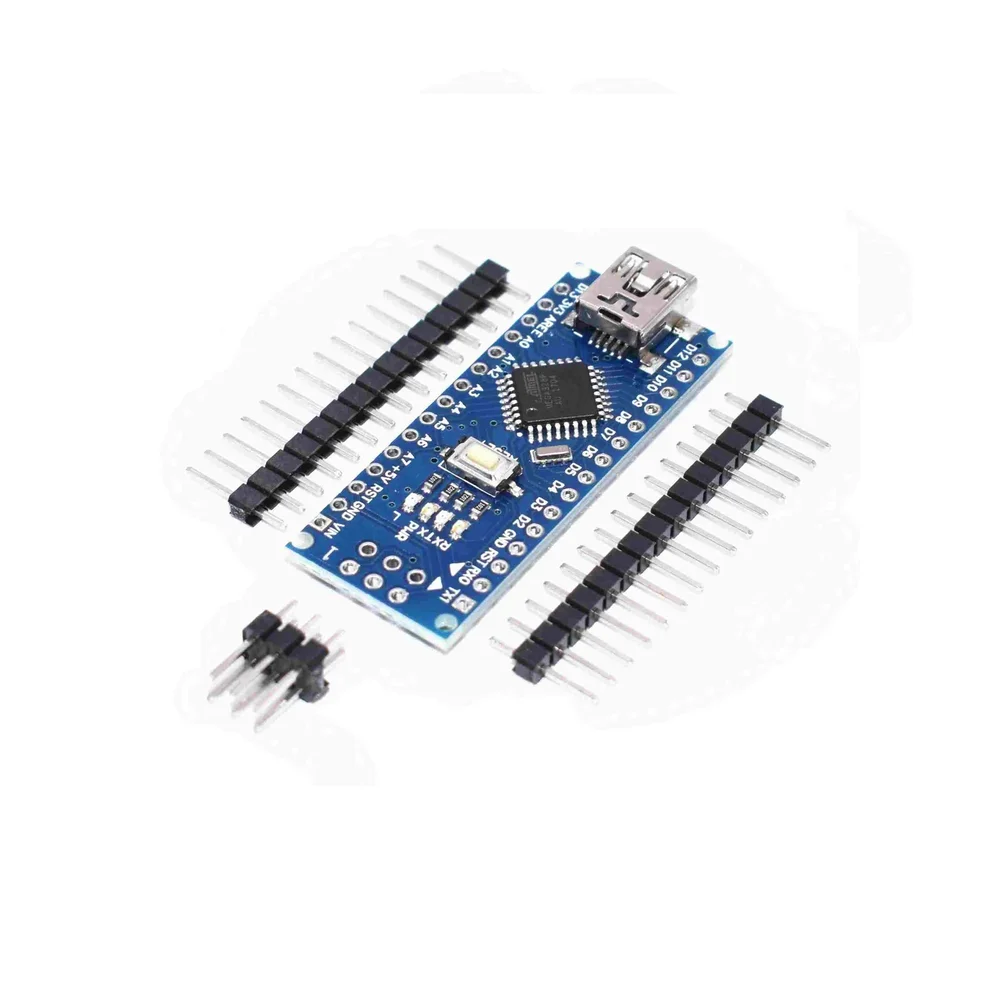
Nano Board R3 with CH340 chip without USB Cable compatible with Arduino (Unsoldered)
[Arduino Boards] The Nano Board R3 with CH340 chip without USB Cable chipboard is based on the famous Arduino platform and does all the functions of Uno, but with a smaller footprint. The Nano Board R3 with CH340 chip without USB Cable is vital for your small project where you don’t need much of a pin-outs but the small size is very important to make it look good. This Nano equips a low-cost USB-Serial Chip that makes it less in price than Nano with FTDI USB-Serial Chip used on older versions of Arduino Nano. The Nano Arduino is a small, complete, and breadboard-friendly board based on the ATmega328 (Nano R3). It has more or less the same functionality of the Uno but in a different package. It lacks only a DC power jack and works with a Mini-B USB cable instead of a standard one. The Nano can be power via the mini-USB connection, 6-20V unregulated external power supply (pin 30), or 5V regulated external power supply (pin 27). The power source is automatically selected to the highest voltage source. The size of Nano V3.0 with CH340 Chip is only 43 mm x 18 mm; it comes with 6 PWM I/O from the total of 14 digitals I/O, 8 analog inputs, 16Mhz clock speed and 32kB of flash memory. Note:- CH340 chip might not work directly with some PC/Laptop, you will need some ch340 drivers. This board comes with OLD BOOTLOADER buy it accordingly Features : 1 pair of TTL level serial transceiver ports RX / TX Using Atmel Atmega328P-AU MCU There is a bootloader installed in it Support USB download and Power Support for external 5V ~ 12V DC power supply It Supports power supply by 9V battery Support ISP download Automatic reset during program download. Power OK blue LED on the bottom. Green (TX), red (RX) and orange (L) LED. +5V to AREF jumper. Auto-sensing/switching power input. Small mini-B USB for programming and serial monitor. ICSP header for direct program download. Standard 0.1” spacing DIP (breadboard friendly). Manual reset switch. Package Includes : 1 x Nano Board R3 with CH340 chip without USB Cable compatible with Arduino (Unsoldered)
 Out of stock
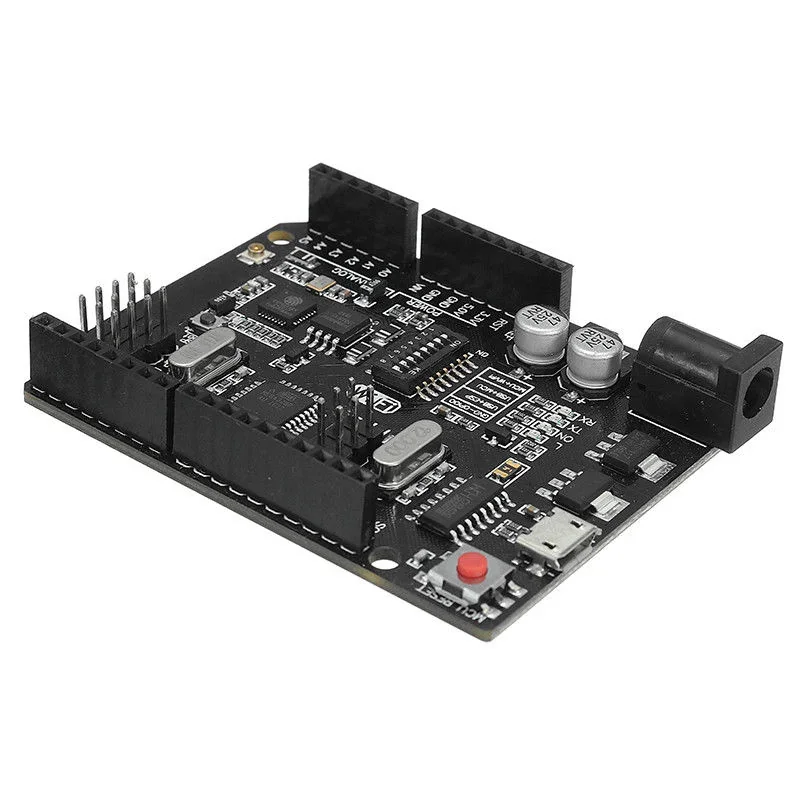
Uno+WiFi R3 AtMega328p+NodeMSU ESP8266 Compatible for Arduino UNO
[Arduino Boards] Arduino UNO WIFI ESP8266 CH340 Development Board Uno+WiFi R3 AtMega328p+NodeMSU ESP8266 8MB Memory USB-TTL CH340G Compatible for Arduino UNO is full integration on one board: Uno R3 ATmega 328 and WiFi ESP8266 with memory 8Mb (MegaByte). All of the modules can work together or separately. And everyone has their own pinout headers. The convenient solution for the development of new projects requiring Uno and WiFi. Via USB you can update sketches and firmware for ATmega328 and for ESP8266. For this onboard have the USB-serial converter CH340G. It is a modernized version of the classic Arduino UNO R3 board. Full integration of a microcontroller ATmega328 and a Wi-Fi chip ESP8266 with 8 MB memory on one board. All modules can work together or individually. Each of the microcontrollers has led to connecting peripheral sensors and modules. A convenient solution for developing new projects that require Wi-Fi. Through USB, you can update sketches and firmware for both ATmega328 and ESP8266. For this on board, there is a UART converter CH340G. The board has a DIP switch, which switches the modes of interaction of microcontrollers ATmegaa328 and esp8266. The operations of this board are very simple. The board has a DIP switch, to connect the modules. For example, USB and ATmega328, USB and ESP8266, ATmega328 and ESP8266. Table DIP- switch: Connection DIP 1 2 3 4 5 6 7 ATmega328<->ESP8266 ON ON OFF OFF OFF OFF OFF USB <->ATmega328 OFF OFF ON ON OFF OFF OFF USB<->ESP8266 (Update firmware or sketch) OFF OFF OFF OFF ON ON ON USB<->ESP8266 (communication) OFF OFF OFF OFF ON ON OFF All independent OFF OFF OFF OFF OFF OFF OFF Features: USB-TTL converter. USB5V (500mA max.)Power IN. Logic Level: 5V. Operating Supply Voltage: 5V. Digital I/O Pins: 14. Analog I/O Pins: 6. Interface Type: serial. Operating temperature: −40С°/+125С°. Specifications: Microcontroller ATmega328IC Wi-Fi Module ESP8266 Input supply voltage (V) 3.3 ~ 5 Current consumption (mA) 800 USB to serial converter CH340G VIN/DC Jack (V) 9 ~ 24 WiFi 802.11 b/g/n 2.4 GHz USB type Micro USB USB Clock Frequency (MHz) 16 Memory Size (MB) 8 Package Includes: 1 x Uno+WiFi R3 AtMega328p+NodeMSU ESP8266 Compatible for Arduino UNO
 Out of stock
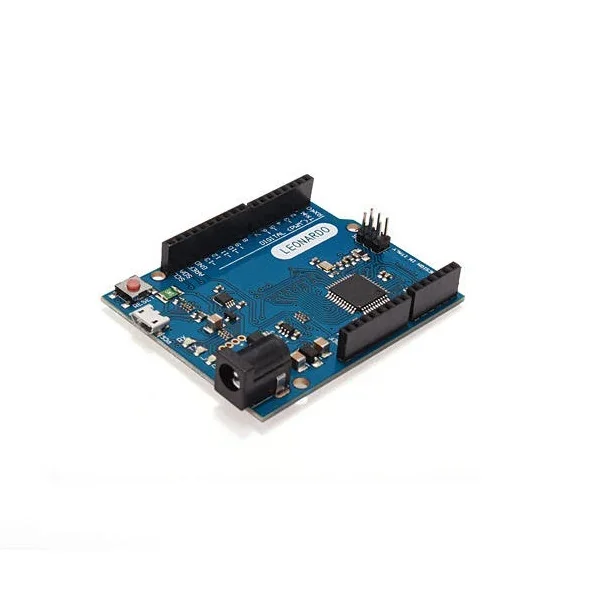
Leonardo R3 Board Micro-USB compatible with Arduino
[Arduino Boards] The Leonardo R3 Board Micro-USB compatible with Arduino is a micro-controller board base on the ATmega32u4. It has 20 digital input/output pins (of which 7 can be used as PWM outputs and 12 as analog inputs); a 16 MHz crystal oscillator, a micro USB connection, a power jack, an ICSP header, and a reset button. It contains everything need to support the microcontroller; simply connect it to a computer with a USB cable or power it with an AC-to-DC adapter or battery to get started. The Leonardo R3 Board differs from all preceding boards in that the ATmega32u4 has built-in USB communication; eliminating the need for a secondary processor. This allows the Leonardo to appear to a connected computer as a mouse and keyboard; in addition to a virtual (CDC) serial / COM port. It also has other implications for the behavior of the board. Features : It’s a 100% pro micro Arduino Compatible Board. Chip: ATmega32u4 Board Mode: LEONARDO R3 Color: As shown in the pictures Microcontroller: ATmega32u4 Operating Voltage: 5V Input Voltage (Recommended): 7-12V Input Voltage (limits): 6-20V Digital I/O Pins: 20 PWM Channels: 7 Analog Input Channels: 12 Package Includes : 1 x Leonardo R3 Board