
ATmel MCU ATMEGA16U2 MEGA 2560 R3 Improved Version CH340G Board
- •Product Name: ATmel MCU ATMEGA16U2 MEGA 2560 R3 Improved Version CH340G Board
- •Product Category: Microcontrollers
- •Operating Voltage: 3.3V - 5V DC
- •Speed / Frequency: 16 MHz
- •Operating Temperature: -20°C to +65°C
- •Mounting Type: Through Hole / Screw Terminal / Modular
- •[Arduino Boards] The ATmel MCU ATMEGA16U2 MEGA 2560 R3 Improved Version CH340G Board is a micro-controller board base on the ATmega2560
- •It has a USB host interface to connect with Android based phones, base on the MAX3421e IC
Description
The ATmel MCU ATMEGA16U2 MEGA 2560 R3 Improved Version CH340G Board is a high-grade, precision-tested electronic component designed for reliable performance in prototyping, education, industrial control, and custom hardware engineering.
🔹 Key Features
- •[Arduino Boards] The ATmel MCU ATMEGA16U2 MEGA 2560 R3 Improved Version CH340G Board is a micro-controller board base on the ATmega2560
- •It has a USB host interface to connect with Android based phones, base on the MAX3421e IC
- •It has 54 digital input/output pins (of which 15 can be used as PWM outputs)
- •16 analog inputs, 4 UARTs (hardware serial ports), a 16 MHz crystal oscillator
- •a USB connection, a power jack, an ICSP header, and a reset button
- •The MEGA ADK is base on the Mega 2560
🔹 Technical Specifications
🔹 Pin Configuration & Wiring
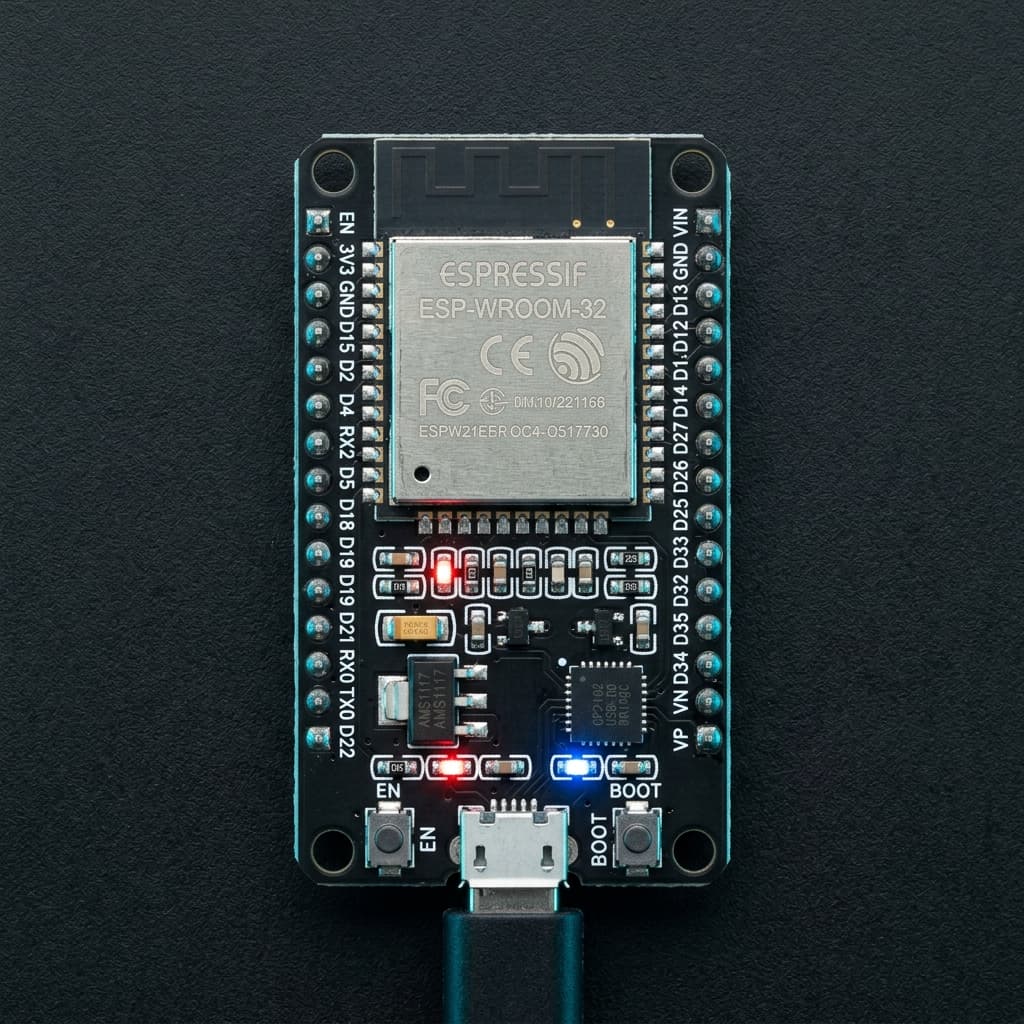
GPIO 21 (D21)
Default I2C serial data line for displays, accelerometers, and RTCs.
#include <Wire.h>
Wire.begin(21, 22); // SDA=21, SCL=22🔹 Applications
This component is engineered and suitable for:
- •Microcontroller interfacing (Arduino, ESP32, Raspberry Pi, STM32)
- •IoT telemetry, environmental monitoring, and smart home systems
- •Robotics navigation, obstacle detection, and motion sensing
- •STEM education, university electronics labs, and maker prototyping
🔹 Package Includes
- ✓1 × ATmel MCU ATMEGA16U2 MEGA 2560 R3 Improved Version CH340G Board
Wholesale Tiered Pricing
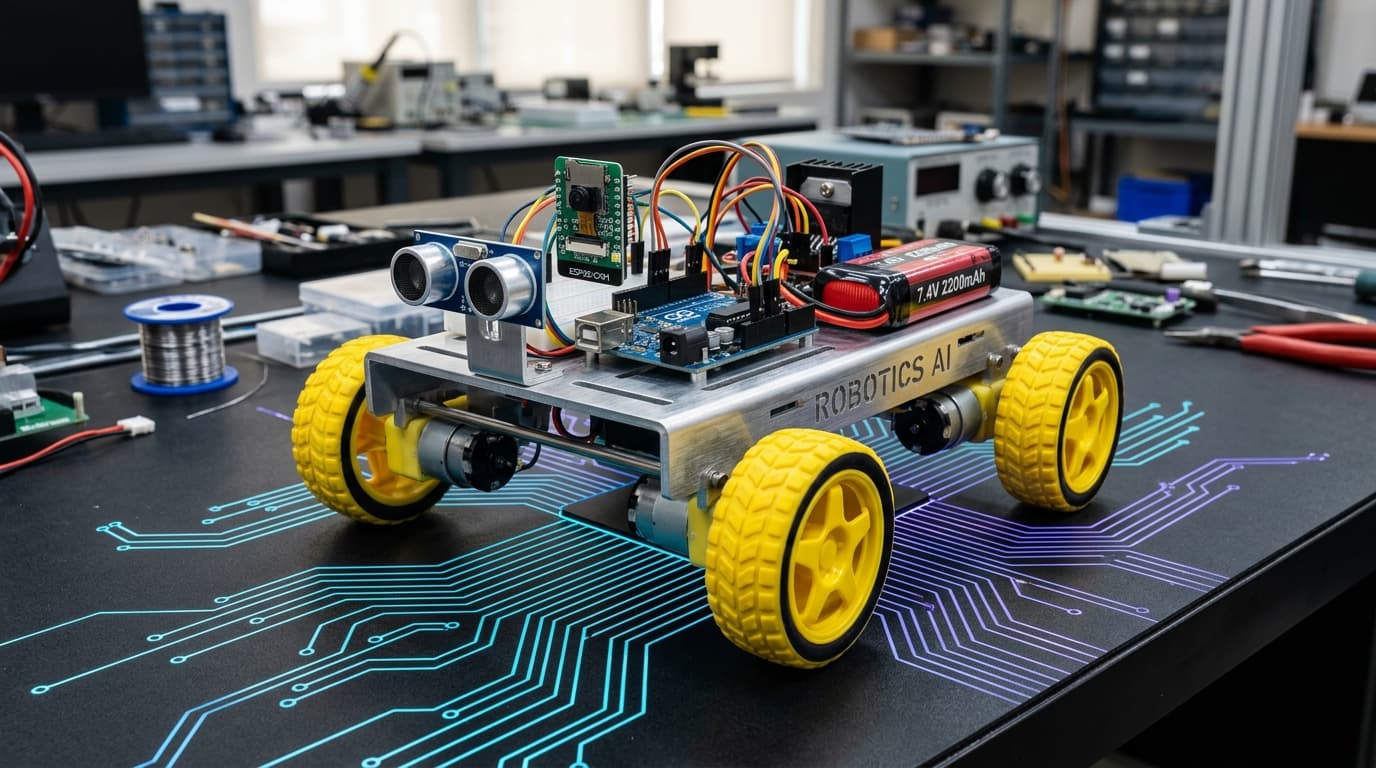
Autonomous 4WD AI & Obstacle Rover Kit
Build a complete 4-wheel drive robotics rover with ultrasonic distance sensing & motor driver control.
Related products
Complementary hardware and compatible components for your project
Quarky
Educational STEM controller board. USB programmable. Block coding + Python/Arduino-like. Built-in sensors (mic, light, IMU) + ports for external sensors/servos. 5V input (USB/power bank). BLE/Wi-Fi optional depending on version.
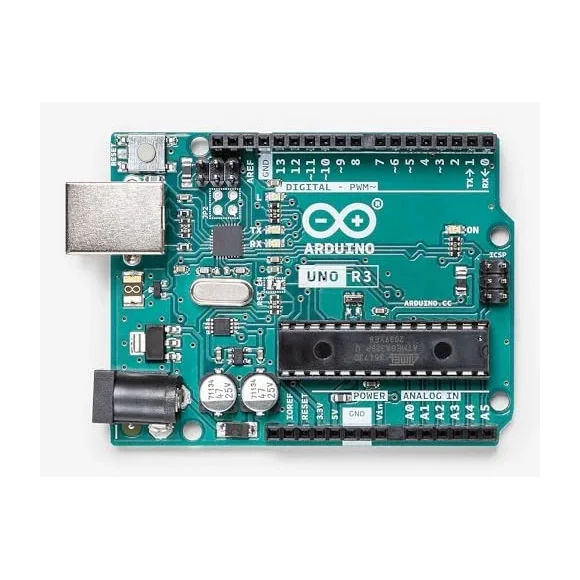
Arduino UNO
Hardware development board (SMD/DIP). ATmega328P, 14 digital I/O, 6 analog, USB-B.
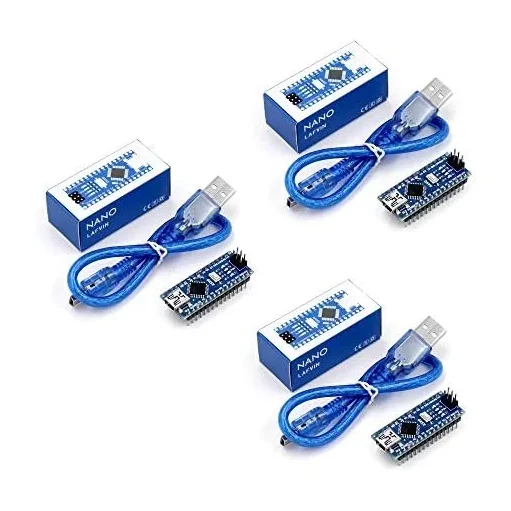
Arduino Nano
Compact development board. ATmega328P, mini-USB. Breadboard friendly.
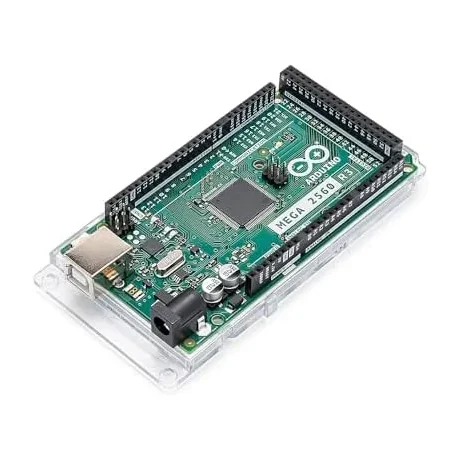
Arduino Mega
Development board. ATmega2560, 54 digital I/O, 16 analog, perfect for big projects.
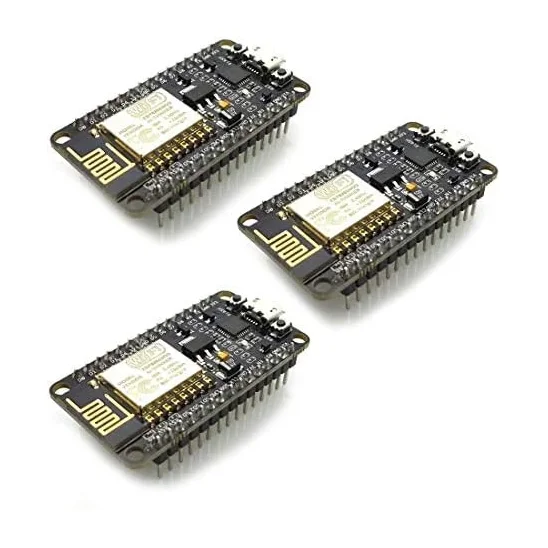
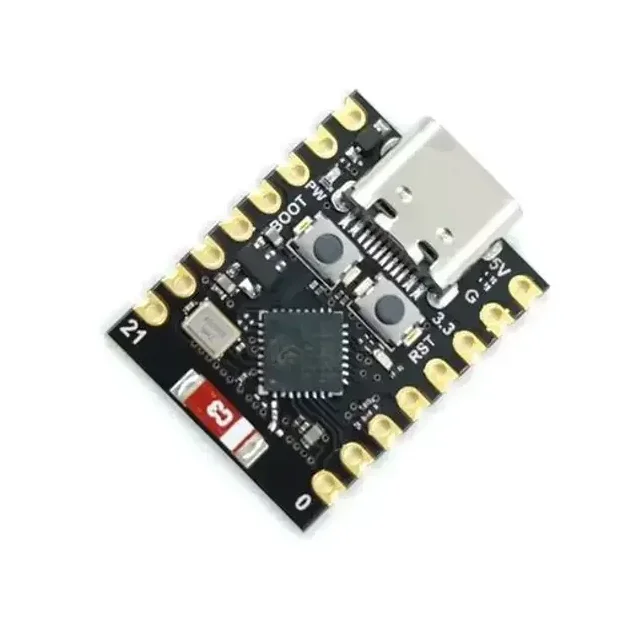
ESP32-C3 Super Mini Development Board With Headers Pins
[ESP Modules] Ultra Compact • Wi-Fi & BLE 5.0 • USB Type-C • Perfect for IoT & Embedded Projects The ESP32-C3 Super Mini Development Board is a compact, feature-rich development board built around the powerful ESP32-C3 SoC from Espressif. Powered by a 32-bit RISC-V single-core processor running at up to 160MHz, it combines 2.4GHz Wi-Fi, Bluetooth 5.0 Low Energy (BLE), and low-power operation in an ultra-small form factor. Designed for IoT, smart home, wireless communication, automation, and embedded system development, the ESP32-C3 Super Mini offers 4MB Flash memory, 400KB SRAM, multiple GPIOs, ADC, PWM, UART, SPI, and I2C interfaces for connecting sensors, displays, relays, and other peripherals. The onboard USB Type-C interface simplifies programming and power supply, while the built-in USB-to-Serial functionality enables quick firmware uploading without requiring additional programmers. Fully compatible with Arduino IDE, ESP-IDF, PlatformIO, and MicroPython, it is suitable for beginners, students, makers, and professional developers. Its ultra-compact breadboard-friendly design makes it ideal for portable and space-constrained projects where performance, wireless connectivity, and energy efficiency are essential. Note: Programming, software configuration, driver installation, firmware flashing, and coding-related issues are not covered under return or replacement. Users are expected to troubleshoot software-related issues independently. ⭐ Features Powerful ESP32-C3 32-bit RISC-V processor CPU frequency up to 160MHz Built-in 2.4GHz Wi-Fi (802.11 b/g/n) Integrated Bluetooth 5.0 Low Energy (BLE) Ultra-compact Super Mini design Breadboard-friendly layout USB Type-C interface for programming and power 4MB onboard Flash memory 400KB SRAM Multiple GPIO, ADC, PWM, UART, SPI & I2C interfaces Low power consumption with Deep Sleep mode Onboard programmable LED Compatible with Arduino IDE, ESP-IDF, PlatformIO & MicroPython Ideal for IoT, automation, robotics, and wireless applications 📋 Technical Specifications Product Type: Development Board Board Model: ESP32-C3 Super Mini Microcontroller: ESP32-C3 Processor Architecture: 32-bit RISC-V CPU Frequency: Up to 160MHz Core: Single Core Flash Memory: 4MB SRAM: 400KB Wi-Fi Standard: IEEE 802.11 b/g/n (2.4GHz) Bluetooth: Bluetooth 5.0 Low Energy (BLE) Operating Voltage: 3.3V Input Voltage: 5V via USB Type-C or 3.3V External USB Interface: USB Type-C GPIO: Multiple Digital GPIO Pins Analog Input: Up to 6 ADC Channels PWM: Supported UART: Supported SPI: Supported I2C: Supported USB-to-Serial: Onboard Onboard LED: User Programmable (GPIO8) Power Consumption: Ultra Low (Deep Sleep ≈ 43µA) Dimensions: Approx. 22.5 × 18 mm Headers: Pre-Soldered 🔧 Applications Suitable for: Internet of Things (IoT) Smart Home Automation Wireless Sensor Networks Home Automation Systems Bluetooth Low Energy Devices Wi-Fi Enabled Controllers Robotics Projects Data Logging Systems Remote Monitoring Industrial Automation Portable Embedded Devices Educational Learning DIY Electronics Projects Wearable Electronics Rapid Prototyping 📦 Package Includes 1 × ESP32-C3 Super Mini Development Board Pin Headers ⚠️ Note Programming, firmware installation, software configuration, and driver-related issues are not covered under warranty, return, or replacement. Please verify board compatibility and install the appropriate development environment before programming. Soldered and non-soldered header pin depend on stock